Social Security Number (SSN): What Is It?
Ever wondered what those nine little digits mean for your life? This article unpacks the Social Security Number—why it matters, how it works, and what you need to know to keep your identity safe and your future secure.

If you’ve ever filled out a job application, opened a bank account, or filed your taxes, you’ve probably been asked for your Social Security Number (SSN). But what is a Social Security Number, really? In this guide, we’ll answer the question “Social Security Number: What Is It?” by exploring its purpose, history, how it’s used, and why it’s so important in everyday American life. From its origins in the Social Security Act of 1935 to its modern role as a key identifier for everything from employment to credit, the Social Security Number is more than just a string of digits—it’s a gateway to benefits, security, and sometimes, a little bit of bureaucracy. Whether you’re a U.S. citizen, a new resident, or just curious about how these numbers work, this article will help you understand the ins and outs of SSNs, the best ways to protect your number, and what to do if it’s ever lost or compromised.
What Is a Social Security Number?
A Social Security Number is a unique, nine-digit number issued by the U.S. government to track individuals for Social Security purposes. Originally designed to keep tabs on workers’ earnings and benefits, the SSN has evolved into a universal identifier used for everything from tax reporting to opening bank accounts and applying for loans.
Why Do You Need a Social Security Number?
- Employment: Employers use your SSN to report your earnings and pay Social Security taxes.
- Taxes: The IRS requires your SSN for filing federal and state tax returns.
- Banking: Most banks require an SSN to open an account or apply for credit.
- Government Benefits: Social Security, Medicare, and other benefits are tied to your SSN.
- Identity Verification: Many institutions use your SSN to confirm your identity.
How Is a Social Security Number Structured?
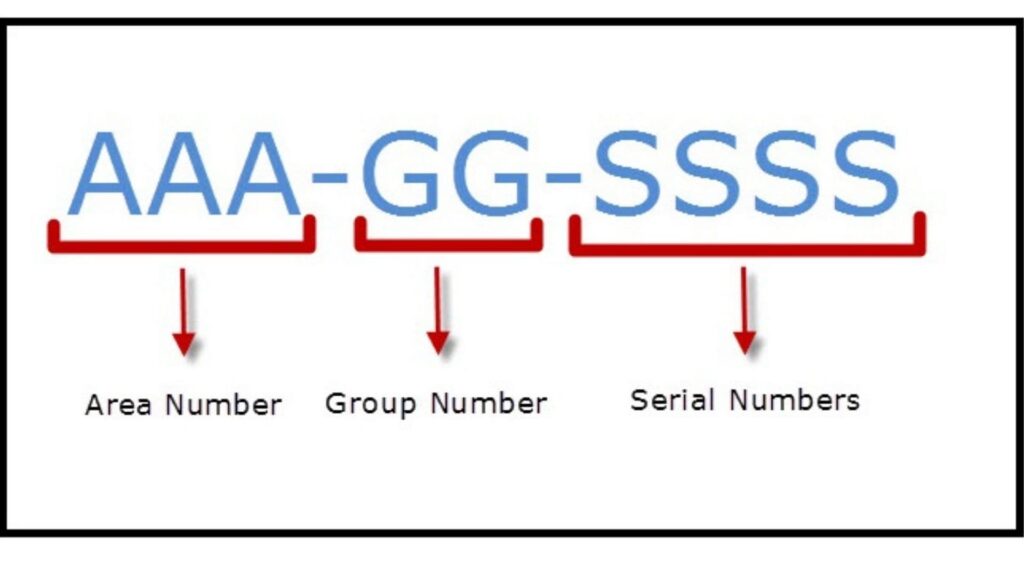
A typical SSN looks like this: 123-45-6789. Here’s what each part means:
- First three digits: Area number (originally based on location)
- Next two digits: Group number (used for administrative purposes)
- Last four digits: Serial number (unique to each individual)
Since 2011, the Social Security Administration has assigned numbers randomly, so the digits no longer reflect geography.
How Do You Get a Social Security Number?
- U.S. Citizens: Usually assigned at birth or when applying for a first job.
- Non-Citizens: Can apply if eligible to work in the U.S. or need an SSN for federal benefits.
- Application Process: Fill out Form SS-5 and provide proof of identity, age, and citizenship or immigration status.
How Is Your Social Security Number Used?
| Use Case | Why It’s Needed |
|---|---|
| Employment | Report wages, verify eligibility |
| Tax Filing | Track tax payments, refunds |
| Credit Applications | Check credit history, prevent fraud |
| Government Benefits | Determine eligibility, distribute funds |
| Healthcare | Verify coverage, process claims |
How to Protect Your Social Security Number
- Keep It Private: Only share your SSN with trusted organizations.
- Shred Documents: Destroy paperwork with your SSN before discarding.
- Monitor Accounts: Regularly check your credit and financial statements.
- Be Wary of Scams: Never give your SSN over the phone or email unless you initiated the contact.
What to Do If Your Social Security Number Is Stolen
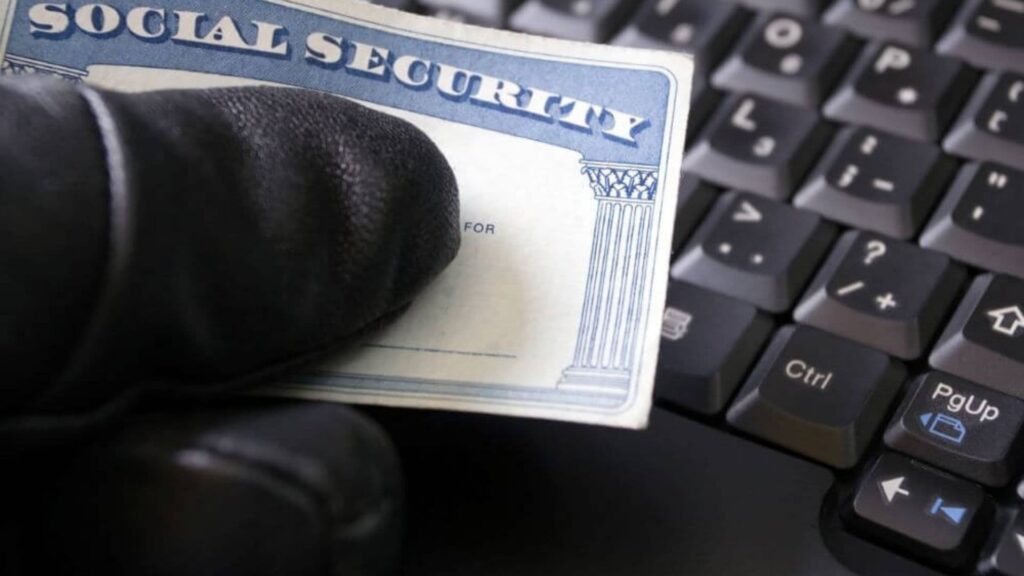
- Report It: Contact the Federal Trade Commission (FTC) and file an identity theft report.
- Freeze Your Credit: Prevent new accounts from being opened in your name.
- Monitor Your Accounts: Watch for unauthorized activity.
- Contact the SSA: If you suspect misuse, reach out to the Social Security Administration.
Fun Facts About Social Security Numbers
- The first SSN was issued in 1936.
- No SSN starts with “000” or “666.”
- The number “078-05-1120” was famously used in a wallet ad in the 1930s and was accidentally assigned to thousands of people!
FAQs
Q: Can I get a replacement Social Security card if I lose mine?
A: Yes, you can request a replacement card from the Social Security Administration, usually up to three times a year.
Q: Is it safe to share my Social Security Number with employers?
A: Yes, legitimate employers need your SSN for tax and employment purposes, but always verify the employer’s identity first.
Q: Can I change my Social Security Number?
A: Only in rare cases, such as extreme identity theft or abuse, can you apply for a new SSN.
Q: Do children need a Social Security Number?
A: Yes, children need an SSN for tax purposes, government benefits, and to be claimed as dependents.
Keep your number safe, stay informed, and remember: your SSN is more than just a number—it’s your passport to everything from your first job to your retirement dreams!