How to Tell If Your Identity Has Been Stolen
Curious whether your identity is truly safe? This article shows you how to spot the warning signs, take action fast, and protect yourself from identity theft—all with a friendly, approachable twist.
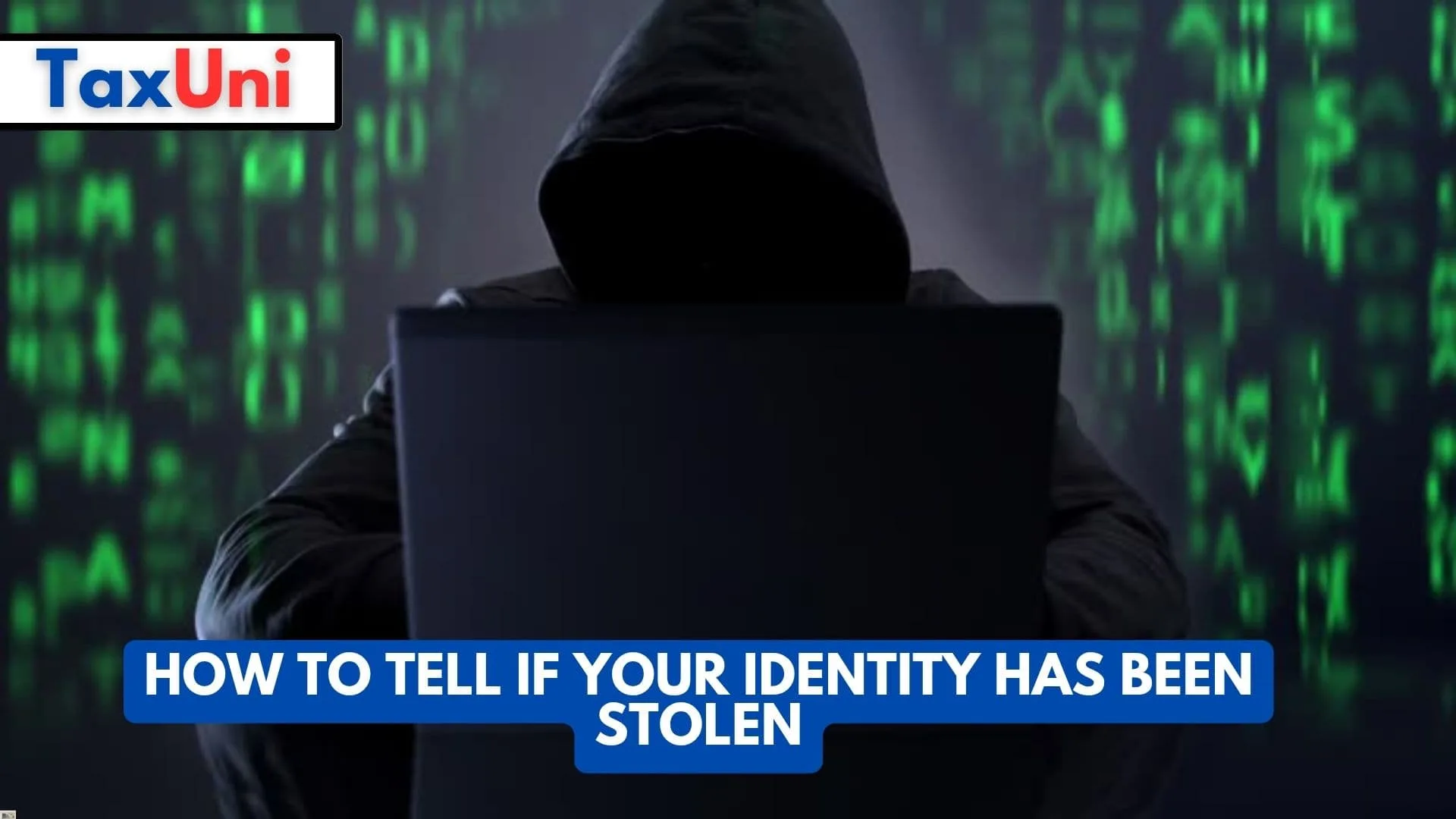
If you’ve ever had that unsettling feeling that something isn’t quite right with your personal information, it’s time to get wise on how to tell if your identity has been stolen. In today’s fast-moving digital world, identity theft can strike when you least expect it—sometimes leaving only subtle clues. From unexplained credit card charges and strange mail to sudden drops in your credit score, the early warning signs of identity theft are easy to miss if you don’t know what to look for. This article will help you pinpoint those red flags, teach you the secret habits of thieves, and empower you with actionable steps to catch and conquer fraud before it does major damage. By keeping a vigilant eye on your financial statements, reviewing credit reports, and recognizing uncommon requests for your personal info, you can spot identity theft quickly and take control of your security. Whether you’re a tech wizard, a busy parent, or a creative on the go, knowing how to tell if your identity has been stolen can make personal safety simple, straightforward, and surprisingly stress-free!
Common Red Flags That Your Identity Has Been Stolen
Identity theft rarely announces itself with flashing lights or alarms; more often, the signs are subtle. Here are the top indicators you should never ignore:
- Unexpected Charges or Withdrawals: Strange transactions on your bank statements or unauthorized credit card charges, especially small “test” amounts.
- Bills for Accounts You Didn’t Open: Notices for loans, new credit cards, or utilities you never signed up for.
- Missing Mail or Unfamiliar Emails: Important mail (like bills or tax info) suddenly stops arriving, or you receive emails about accounts you don’t recognize.
- Sudden Credit Score Drops: An unexplained dip in your credit score is a classic sign someone opened accounts in your name.
- Debt Collectors Calling: Are you being asked to pay debts that aren’t yours? That’s a major red flag.
- Medical Bills or Insurance Claims You Don’t Recognize: False medical claims in your name could mean medical identity theft.
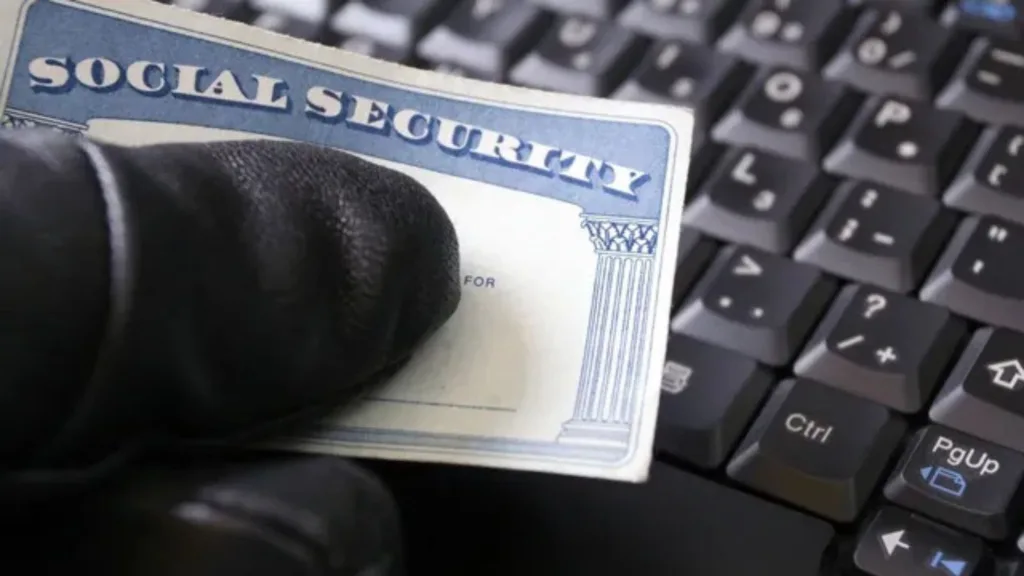
How To Spot Identity Theft Early
Spotting identity theft early is all about vigilance and knowing where to look:
- Monitor Your Credit Report: Check all three major credit bureaus (Experian, Equifax, TransUnion) regularly. Look for accounts you didn’t open or credit checks you didn’t authorize.
- Use Alerts: Set up account and transaction alerts with your bank and credit card providers to be notified immediately of suspicious activity.
- Check Your Mail Carefully: Be wary of missing bills, or mysterious letters welcoming you to new accounts or loans.
- Review Insurance and Medical Statements: Look for claims or procedures you never received.
- Strong Passwords & Two-Factor Authentication: Not only does secure access prevent theft, it can also alert you if someone attempts unauthorized access.
What To Do If You Suspect Identity Theft
If your spidey-senses are tingling, don’t panic. Take these steps:
- Act Quickly: The sooner you take action, the less damage a thief can do.
- Contact Your Bank & Creditors: Freeze or close compromised accounts and report unauthorized charges.
- Place a Fraud Alert: Contact one credit bureau; they’ll notify the others.
- File a Report: Use the local police and government fraud websites like the FTC (if in the US).
- Monitor Your Identity: Continue checking statements and credit reports closely for several months.
- Change Passwords and Security Information: Wherever you think data may be compromised.
- Consider an Identity Theft Protection Service: These offer extra monitoring and recovery support.
How to Prevent Identity Theft in the Future
- Shred Old Documents: Don’t just toss sensitive papers.
- Be Wary Online: Never share personal information with suspicious websites or unsolicited calls/emails.
- Review Permissions: Be mindful about what apps and services you allow to access your private data.
- Lock Down Social Media: Don’t overshare personal info that could be used for identity theft.

FAQs
Q: What’s the first thing I should do if I think my identity is stolen?
A: Contact your bank and place a fraud alert with a credit bureau immediately.
Q: How often should I check my credit report?
A: Check your credit report at least once a year, but more often if you suspect fraud or notice anything unusual.
Q: Can someone steal my identity with just my name and address?
A: Usually, more information is needed, like your Social Security number or banking details, but always protect even basic info.
Q: Will freezing my credit stop identity theft?
A: Freezing credit blocks new accounts from being opened without your consent—an excellent way to prevent further fraud.
Stay alert, stay positive, and take control of your data—so identity theft never stands a chance! Godspeed.