Will I Receive A 1099 For A Distribution From An Inherited Roth IRA?
This article provides clear answers about whether you will receive a 1099 form for a distribution from an inherited Roth IRA. It explains IRS reporting requirements, tax implications, and what beneficiaries need to know.

If you are wondering, “Will I receive a 1099 for a distribution from an inherited Roth IRA?”, you’re not alone—this question often arises for those who have recently inherited retirement accounts and want to understand the tax paperwork involved. When you take a distribution from an inherited Roth IRA, the financial institution handling the account typically sends a Form 1099-R to you and the IRS to report the distribution. This form details the amount you withdrew and the tax treatment of that distribution. Knowing if you will get this 1099 is crucial because it helps you prepare your tax returns correctly and ensure you comply with IRS rules. Distributions from an inherited Roth IRA often differ from regular Roth IRA withdrawals due to beneficiary rules, required minimum distributions (RMDs), and the timing of tax-free status. Throughout this article, we’ll explain how the IRS treats inherited Roth IRAs, when you can expect a 1099-R, and important points to watch for so you can manage your finances smoothly.
What Is A 1099-R And Why Does It Matter?
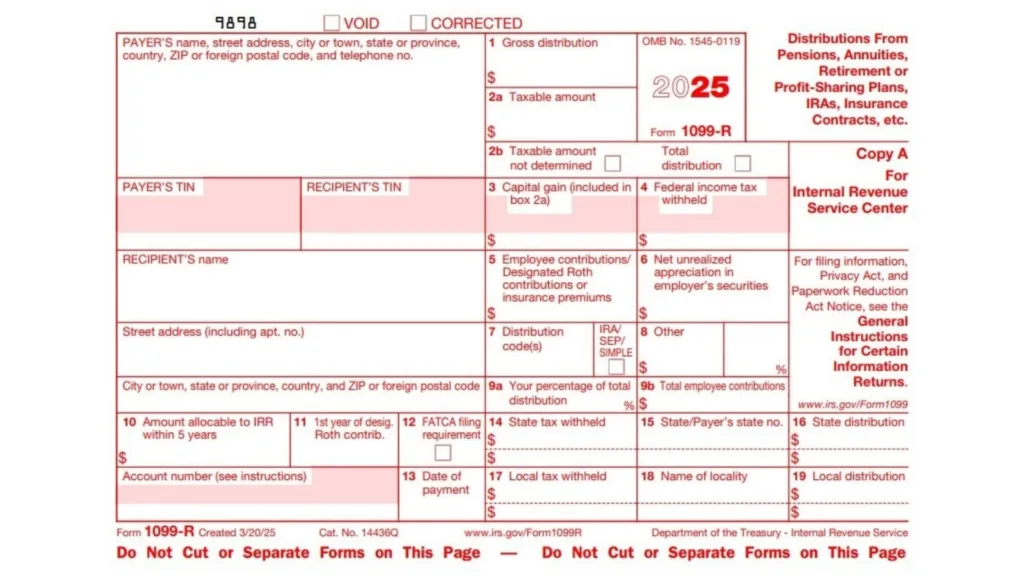
Form 1099-R is used to report distributions from retirement accounts, including inherited Roth IRAs. It tells the IRS how much money was withdrawn and whether any portion of it is taxable. For beneficiaries of inherited Roth IRAs, understanding this form can prevent surprises when filing taxes.
When Will You Receive A 1099 For An Inherited Roth IRA Distribution?
The answer is yes, you typically will receive a 1099-R from the plan administrator after you take any distribution from an inherited Roth IRA. This form is generally sent by January 31 of the following year to both you and the IRS. Even if the distribution is tax-free—as is often the case with qualified Roth IRA withdrawals—the IRS requires the reporting.
How To Read Form 1099-R For An Inherited Roth IRA
- Box 1 shows the gross distribution amount.
- Box 2a indicates taxable amount, which is often zero for qualified Roth distributions.
- Box 7 contains a distribution code. For inherited IRAs, common codes include “4” (death), or “T” (early distribution, exception applies).
Recognizing these elements helps you know how to report the distribution on your tax return.
Tax Implications Of Distributions From An Inherited Roth IRA
Generally, qualified distributions from an inherited Roth IRA are tax-free if the original account was held for at least five years. However, non-qualified distributions might have tax consequences. The 1099-R will assist in determining what portion, if any, is taxable.
Required Minimum Distributions For Inherited Roth IRAs
After inheriting a Roth IRA, beneficiaries may need to follow RMD rules depending on their relation to the decedent and when the account was inherited. RMDs from inherited Roth IRAs are usually reported on the 1099-R as distributions.
What If You Don’t Receive A 1099-R?
If you took a distribution but did not get a 1099-R by mid-February, contact the plan administrator immediately. You still must report the income correctly even without a form, and the absence of proper documentation can trigger IRS attention.
FAQs
Q: Will I always get a 1099-R for inherited Roth IRA distributions?
A: Yes, distributions from inherited Roth IRAs are reported with Form 1099-R.
Q: Are distributions from an inherited Roth IRA taxable?
A: Qualified distributions are generally tax-free, but non-qualified distributions may be taxable.
Would you like me to provide examples of filled-out 1099-R forms for inherited Roth IRAs?


