IRS Notice CP5071: Your Complete Guide to Identity Verification and Tax Return Processing
This comprehensive guide breaks down everything you need to know about identity verification, from what triggered IRS Notice CP5071 to how quickly you can get back to your regularly scheduled tax refund.

If you’ve recently received an IRS Notice CP5071 in your mailbox, you’re likely wondering what this means for your tax return and refund timeline. The IRS Notice CP5071, along with its variations CP5071C and CP5071F, is a crucial communication from the Internal Revenue Service that indicates they need to verify your identity before processing your tax return or issuing your refund. This IRS notice is part of the agency’s comprehensive fraud prevention system, designed to protect taxpayers from identity theft and ensure that only legitimate tax returns are processed. While receiving a CP5071 notice might initially cause concern, it’s important to understand that this doesn’t necessarily mean you’ve done anything wrong or that you’re under investigation—rather, it’s a protective measure that helps prevent fraudulent tax returns from being filed using your personal information. The notice typically arrives when the IRS’s automated systems detect certain patterns or inconsistencies in your tax return that trigger their identity verification protocols. Understanding what the CP5071 notice means, how to respond appropriately, and what to expect during the verification process can help you navigate this situation efficiently and get your tax matters resolved as quickly as possible.
What Is IRS Notice CP5071?
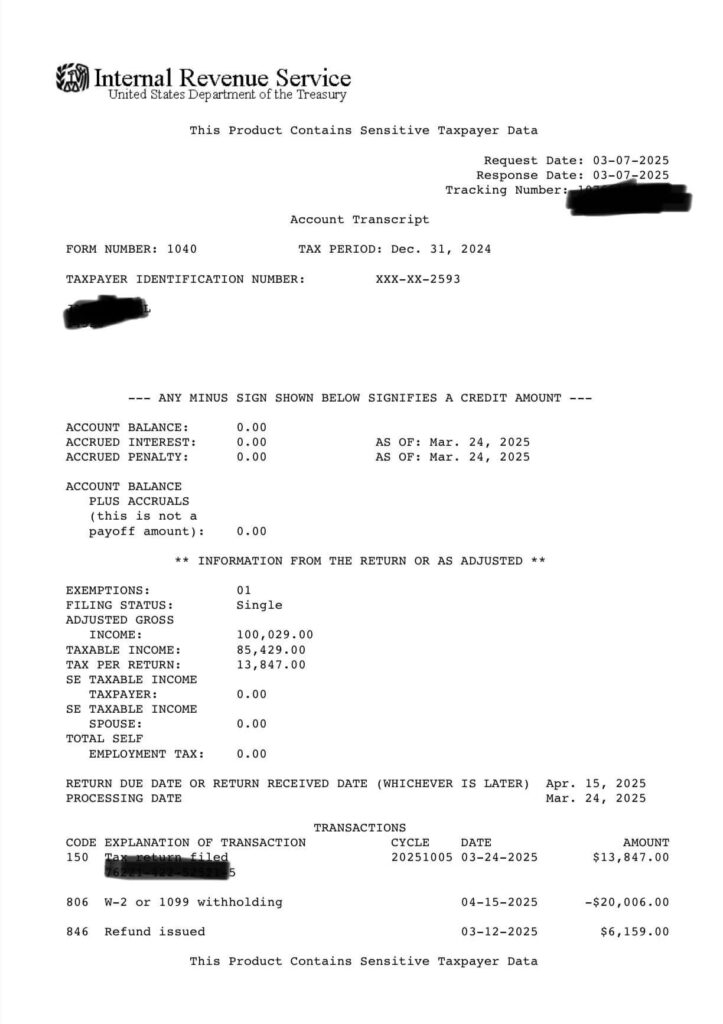
IRS Notice CP5071 is an official letter sent by the Internal Revenue Service when they receive a tax return filed under your Social Security Number (SSN) or Individual Taxpayer Identification Number (ITIN) that requires identity verification. The notice serves as a protective measure to prevent tax-related identity theft and ensure that only legitimate taxpayers receive refunds or have their returns processed.
There are several variations of this notice that you might receive:
- CP5071C: The most common version that provides online verification options
- CP5071F: A less common variation with similar identity verification requirements
- Letter 5071C: Often used interchangeably with CP5071C, this is the physical mail version
The notice typically includes your personal information, a 14-digit control number needed for verification, and detailed instructions on how to complete the identity verification process.
Why Did You Receive a CP5071 Notice?
The IRS sends CP5071 notices when their fraud detection systems flag your tax return for potential identity theft concerns. Several factors can trigger this verification requirement:
Common triggers include:
- Filing patterns that differ significantly from previous years
- Returns that contain information inconsistent with IRS records
- Suspicious activity detected by automated fraud prevention systems
- First-time filers or those with irregular filing histories
- Returns filed from locations different from your registered address
It’s crucial to understand that receiving a CP5071 notice doesn’t mean you’re accused of wrongdoing. The IRS has significantly increased their use of identity verification measures, with search interest in “IRS notice CP5071” hitting an all-time high in May 2025—more than double any point in the last five years.
How to Respond to Your CP5071 Notice
When you receive a CP5071 notice, you have two primary options for completing the identity verification process:
Option 1: Online Verification (Recommended)
The IRS prefers online verification through their Identity Verification Service because it’s faster and available 24/7. To verify online:
- Visit the IRS Identity and Tax Return Verification Service website
- Create an account if you’re a new user or sign in with existing credentials
- Enter the 14-digit control number from your notice
- Answer verification questions about your tax return and personal information
- Confirm whether you filed the return in question
Option 2: Phone Verification
You can also call the Taxpayer Protection Program hotline listed on your notice. When calling, have the following documents ready:
- Your CP5071 notice
- A copy of the tax return referenced in the notice
- Supporting documents like W-2s and 1099s
Important note: You typically have only one chance to verify your identity online or by phone. If verification fails, you may need to visit an IRS office in person.
What Documents You’ll Need
Successful identity verification requires having specific documents and information readily available:
Required items include:
- Your current year’s tax return
- Your previous year’s tax return
- All supporting forms and schedules (W-2s, 1099s, etc.)
- Your Social Security Number or Individual Taxpayer Identification Number
- Government-issued photo identification
The verification process asks questions that only you should be able to answer correctly, based on information from your tax returns and IRS records.
Processing Timeline After Verification
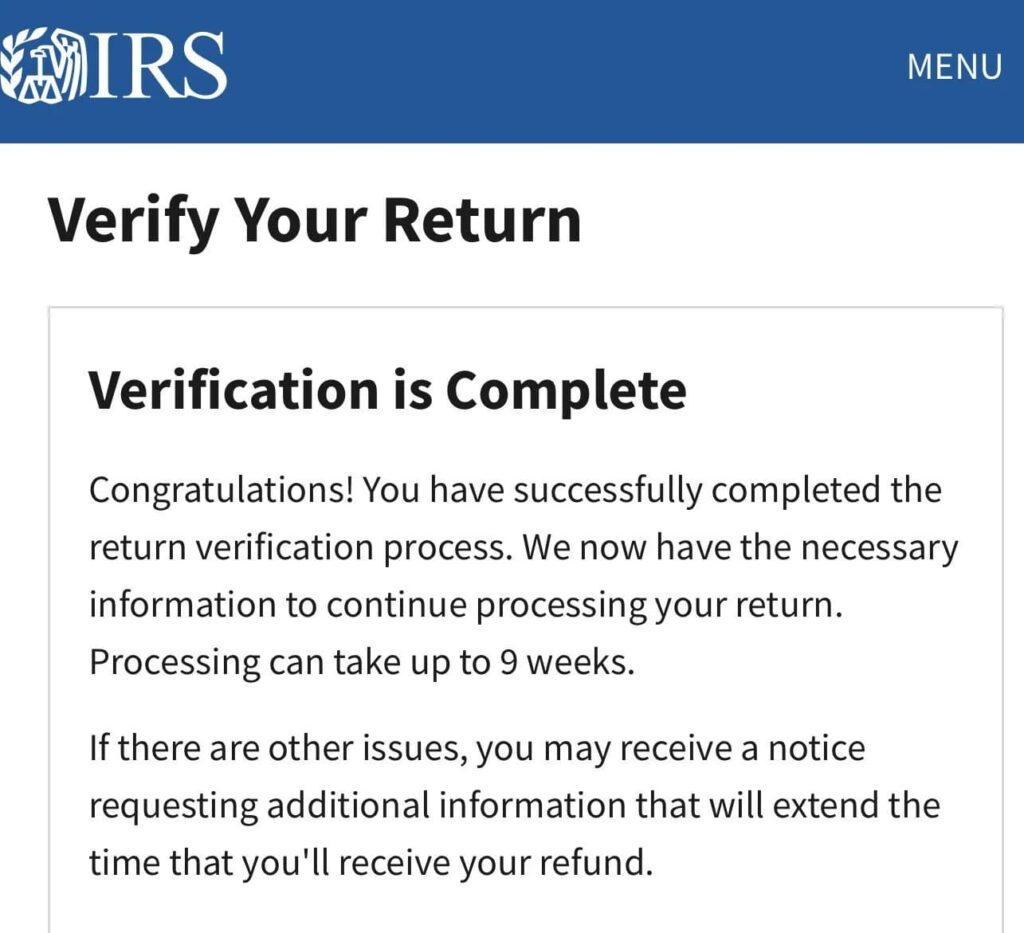
Once you successfully complete the identity verification process, the IRS will continue processing your tax return. However, this additional step does create delays in your refund timeline:
Typical processing times:
- Standard timeline: 6-9 weeks after successful verification
- Expedited cases: Some taxpayers report receiving refunds within 7 days
- Complex situations: May take the full 9 weeks or longer 20
The actual processing time depends on several factors, including whether identity verification was the only issue flagged with your return 20. If additional reviews are needed, processing may take longer than the standard timeline.
Red Flags: Avoiding CP5071 Scams
While CP5071 notices are legitimate IRS communications, scammers sometimes attempt to exploit taxpayers’ concerns about identity verification. Here’s how to protect yourself:
Legitimate CP5071 notices:
- Always arrive by U.S. mail, never by email
- Include official IRS letterhead and your personal informatio
- Provide specific phone numbers and website addresses
- Never request immediate payment or threaten arrest
Warning signs of scams:
- Requests for verification via email or unsolicited phone calls
- Demands for immediate payment or personal information over the phone
- Threats of arrest or legal action if you don’t respond immediately
Remember: The IRS never initiates contact through email, text messages, or social media regarding identity verification.
What Happens If You Don’t Respond
Failing to respond to a CP5071 notice will prevent the IRS from processing your tax return. This means:
- Your refund will be indefinitely delayed
- The IRS cannot apply any overpayments to future tax years
- Your return remains in suspended status until you complete verification
If you didn’t file the return mentioned in the notice, it’s crucial to respond immediately, as this likely indicates you’re a victim of tax identity theft.

Protecting Yourself from Future Identity Theft
After resolving your CP5071 notice, consider taking additional steps to protect your tax information:
Preventive measures include:
- Obtaining an Identity Protection PIN (IP PIN) from the IRS
- Monitoring your credit reports regularly
- Filing your tax returns early in the season
- Keeping personal tax documents secure
The IRS encourages all taxpayers to sign up for an IP PIN, which provides an additional layer of security for future tax filings.
Special Considerations for Different Taxpayer Groups
Expatriates and International Taxpayers
U.S. citizens living abroad are increasingly receiving CP5071 notices. This trend may be due to:
- Filing from international locations
- Changes in income sources or amounts
- Irregular filing patterns due to overseas circumstances
First-Time Filers
New taxpayers may be more likely to receive CP5071 notices because the IRS has limited historical data for comparison. This is a normal part of establishing your tax filing history and not cause for concern.
Frequently Asked Questions
Q: Is CP5071 the same as CP5071C?
A: CP5071 is often used as an umbrella term, but CP5071C is the actual notice label most commonly issued by the IRS. They serve the same purpose for identity verification.
Q: How long does CP5071 verification take?
A: The IRS states processing takes up to 9 weeks after successful verification, though some taxpayers receive refunds within 7 days.
Q: Can I ignore a CP5071 notice if I didn’t file a return?
A: No, you must respond immediately as this likely indicates tax identity theft. Contact the IRS to report that you didn’t file the return in question.
Q: What happens if I fail online verification?
A: You typically get only one chance to verify online or by phone. If verification fails, you’ll need to visit an IRS office in person with proper identification.
Q: Will I get a CP5071 notice every year?
A: Not necessarily. Once you complete verification and possibly obtain an IP PIN, future filings should process normally without additional identity verification requirements .


