Form 1120-H Filing Extension: How HOAs Get More Time (Without Penalties)
This guide shows how to use a simple extension for Form 1120-H so filings stay clean, timely, and stress-free, without forgetting that extensions don’t extend time to pay.

Form 1120-H Filing Extension is the essential playbook for homeowners associations seeking extra time to file their U.S. income tax return while staying compliant with IRS rules; this long-form guide explains due dates, how to request an automatic extension with Form 7004, how long the extension lasts, what “extension” really means for payments, common pitfalls, e-file and mailing options, and practical timelines for both calendar-year and fiscal-year HOAs. In one place, learn the Form 1120-H due date (generally the 15th day of the 4th month after the end of the association’s tax year), how to submit Form 7004 by the original deadline to secure a 6-month filing extension, and why penalties and interest can still apply if taxes aren’t paid by the original due date even when the extension is granted.
What Form 1120-H Is (And Why Extensions Matter)
- Form 1120-H is the IRS return for homeowners associations that elect section 528 treatment, offering a specific tax regime typically taxed at a flat rate (30% for most HOAs; 32% for timeshares) on taxable income.
- The election to file Form 1120-H is made each year by filing the form by its due date, including extensions, and can’t be revoked for that year without IRS consent.
- An extension helps HOAs finalize books, gather statements, and prepare accurate filings; it does not grant extra time to pay, so estimated taxes should be paid by the original due date to minimize penalties and interest.
When Form 1120-H Is Due
- General rule: file by the 15th day of the 4th month after the HOA’s tax year ends (for calendar-year HOAs, that’s April 15 in 2025).
- Special case: fiscal years ending June 30 must file by the 15th day of the 3rd month after year-end.1
- If the deadline falls on a Saturday, Sunday, or legal holiday, the return is timely if filed the next business day.
How To Get An Automatic Filing Extension
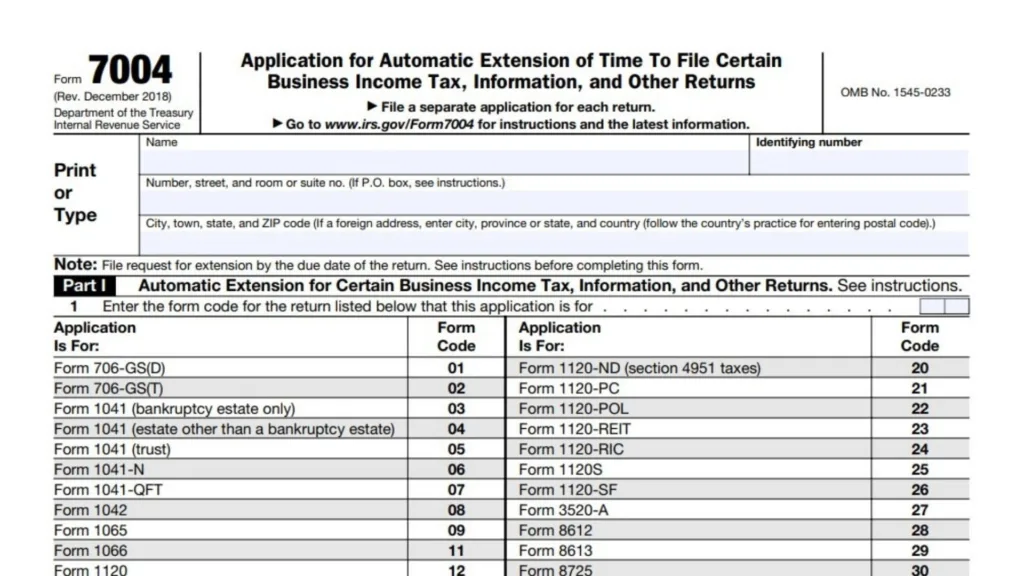
- Use IRS Form 7004 to request an automatic 6‑month extension to file Form 1120-H; file Form 7004 by the original due date of Form 1120-H (e.g., April 15, 2025, for calendar-year 2024 returns).
- Form 7004 can be e-filed via the IRS Modernized e‑File (MeF) platform or filed on paper; e-file is generally faster and provides confirmation.
- Pay any expected tax with the extension request by the original due date—extensions don’t extend time to pay, and balances accrue penalties and interest if unpaid.
How Long Is The Extension?
- For Form 1120-H, Form 7004 provides an automatic 6‑month extension to file (calendar-year HOA: extended deadline moves from April 15, 2025, to October 15, 2025).
- Keep proof of timely filing for the extension (confirmation if e-filed, or carrier records if using IRS-designated private delivery services).
Practical Filing Timeline (Calendar-Year HOA Example)
- By April 15, 2025: file Form 7004 and pay expected tax to avoid late-payment penalties and interest; without Form 7004, no extension is granted.
- Through October 15, 2025: use the 6-month window to finalize Form 1120-H and file the complete return; include any extension payment on the return.
Key Compliance Tips
- Estimate conservatively when paying with the extension request to limit penalties; late filing penalties increase significantly for returns more than 60 days late.
- Confirm your HOA still qualifies for section 528 election and file 1120-H by the extended due date to preserve the election for the year.
- If the HOA decides not to elect 1120-H, it must file the applicable return (often Form 1120) by its deadline or extended deadline if Form 7004 was filed under that code as applicable.
E-File, Mail, And Delivery Notes
- E-file: Form 7004 and many business returns can be transmitted electronically through MeF; this is the most reliable way to confirm timely submission.
- Mail: For paper filings, use the correct IRS center address for Form 1120-H and consider IRS-designated private delivery services for tracking and proof of mailing date.
Common Mistakes To Avoid
- Filing Form 7004 after the original due date—late extension requests aren’t valid and late filing penalties may apply.
- Forgetting to pay with the extension—interest and penalties accrue on unpaid balances from the original due date even when an extension is granted.
- Missing the special June 30 fiscal-year rule, which accelerates the base due date to the 15th day of the 3rd month after year-end.
Penalties And Interest: What To Expect
- Late filing penalty: significantly higher than late payment; file on time (with or without full payment) to minimize cost.
- Late payment: interest and penalties apply to unpaid amounts from the original due date; paying with Form 7004 reduces these charges.
Quick Reference: What To Do Now
- Determine the HOA’s tax year and base due date using the “15th day of the 4th month” rule (or the June 30 exception).
- File Form 7004 by the base due date to secure a 6‑month extension; include a reasonable tax payment.
- E-file when possible for immediate acknowledgment and smoother processing.
FAQs
- What Form Do HOAs Use To Extend The 1120-H Filing Deadline?
Form 7004, filed by the original due date, grants an automatic 6‑month extension to file. - Does The Extension Also Extend Time To Pay?
No—only time to file is extended; taxes remain due by the original deadline, or penalties and interest apply. - When Is Form 1120-H Due For A Calendar-Year HOA?
Generally April 15 following the tax year, with a 6‑month extension to October 15 if Form 7004 is timely filed. - Can I E-File The Extension?
Yes—Form 7004 can be e-filed through the IRS Modernized e‑File system.


