Does Venmo Report to IRS for Personal Use?
This article explores whether Venmo reports transactions to the IRS for personal use, clarifying the difference between personal and business payments, and outlining when tax reporting is required.

If you’ve ever wondered, “Does Venmo Report to IRS for Personal Use?” you’re not alone—especially as more people rely on digital payment apps for everything from splitting brunch bills to sending birthday gifts. The good news is that Venmo does not report personal transactions, such as gifts, shared expenses, or reimbursements, to the IRS, so you can use Venmo for personal payments without worrying about unexpected tax forms or IRS scrutiny. However, things change when Venmo is used for business purposes or to receive payments for goods and services. In those cases, Venmo and similar platforms are required by law to report your income to the IRS once you cross certain thresholds, and you may receive a Form 1099-K to help you (and the IRS) keep track of your taxable earnings. Understanding the difference between personal and business transactions on Venmo is key to avoiding tax surprises and ensuring you stay compliant with IRS rules.
Does Venmo Report Personal Transactions to the IRS?
Venmo is designed to make personal payments simple and hassle-free. When you use Venmo to send money to friends or family for things like splitting a dinner bill, paying your share of rent, or sending a cash gift, these transactions are considered personal and are not reported to the IRS. The IRS does not require Venmo or other payment apps to report these types of personal payments, so you won’t receive a Form 1099-K for them. This means your everyday peer-to-peer payments—like reimbursing a friend for concert tickets or collecting money for a group gift—are not taxable and do not need to be reported on your tax return.
When Does Venmo Report to the IRS?
The situation changes if you use Venmo for business purposes, such as selling goods or providing services. Venmo, along with other payment platforms like PayPal and Cash App, is required to report payments received for goods and services to the IRS once you cross certain thresholds. For tax year 2024, the reporting threshold is $5,000; for 2025, it drops to $2,500, and by 2026, it will be $600. If you exceed these amounts in payments for goods and services, Venmo will issue you a Form 1099-K, which is also sent to the IRS.
Payments made to business profiles are automatically considered business transactions and are reported accordingly. For personal accounts, Venmo allows payers to “tag” payments as either personal or for goods and services. If someone sends you money and marks it as a payment for goods or services, even if you’re using a personal account, that transaction may be reported to the IRS and could be considered taxable income.
How to Avoid Tax Issues with Venmo
The best way to avoid tax complications is to clearly separate your personal and business transactions on Venmo. Use your personal account only for non-business payments, and if you run a business or side hustle, set up a separate business profile. Always make sure payments are properly categorized—mark personal payments as “friends and family” and provide clear descriptions to avoid confusion. If you do receive a Form 1099-K for personal transactions in error, you can contact Venmo support to request a correction.
What About Selling Personal Items?
If you sell a personal item (like used furniture or electronics) for less than you originally paid, you generally don’t owe taxes, and those transactions are not reported to the IRS. However, if you sell something for more than you paid and make a profit, that profit is considered taxable income and should be reported on your tax return, even if you don’t receive a Form 1099-K.
What If I Receive a 1099-K by Mistake?
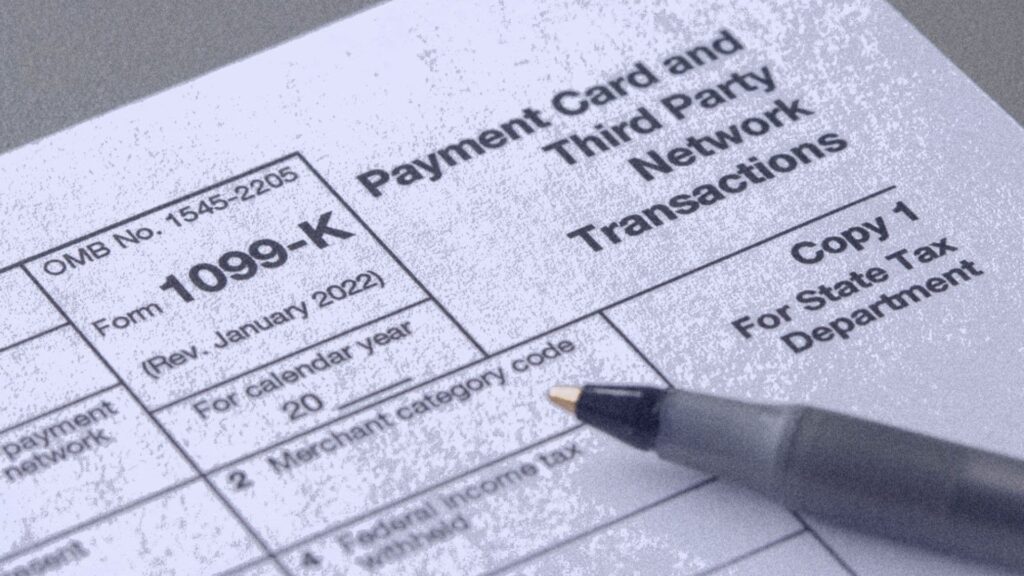
If you receive a Form 1099-K for personal transactions, don’t panic. Review your Venmo transaction history, and if you believe the form was issued in error, reach out to Venmo support to correct it. Keeping clear records and separating personal from business payments can help you avoid these issues in the first place.
Key Takeaways
- Venmo does not report personal payments (gifts, reimbursements, shared expenses) to the IRS.
- Payments for goods and services, or business income, are reported once you cross the annual threshold ($5,000 in 2024; $2,500 in 2025; $600 in 2026).
- Tagging payments correctly and keeping personal and business transactions separate helps prevent tax headaches.
- If you receive a 1099-K in error, contact Venmo to resolve the issue.
FAQs
Does Venmo report personal payments to the IRS?
No, Venmo does not report personal payments, such as gifts or shared expenses, to the IRS.
What transactions on Venmo are reported to the IRS?
Only payments received for goods, services, or business purposes that exceed the annual reporting threshold are reported to the IRS.
How can I avoid tax issues when using Venmo?
Keep personal and business payments separate, tag transactions correctly, and provide clear descriptions for each payment.
What should I do if I get a 1099-K for personal payments?
Contact Venmo support to correct the error and ensure your transactions are properly categorized.


