Exempt From Federal Income Tax Withholding: What It Means and Who Qualifies
This article dives into who is exempt from federal income tax withholding and how this exemption works in practical terms. Written in a friendly and straightforward style, it helps readers understand when and why they might not have federal income tax withheld from their paycheck.

Being exempt from federal income tax withholding means an employee does not have federal income tax taken out of their paycheck by their employer. This exemption is a valuable option for taxpayers who expect to owe no federal income tax for the year due to low income or other factors. This article covers what it means to be exempt from federal income tax withholding, who qualifies for this status, how to claim it properly on IRS Form W-4, and the key considerations to avoid surprises at tax time.
Understanding Federal Income Tax Withholding
Federal income tax withholding is the process where employers deduct estimated income tax from employees’ wages and send it directly to the IRS. This pay-as-you-go tax system helps taxpayers by spreading tax payments throughout the year, reducing a large bill at tax filing time. However, some employees qualify to be exempt from this withholding if they meet certain conditions, meaning no federal income tax is automatically taken out.
Who Is Exempt From Federal Income Tax Withholding?
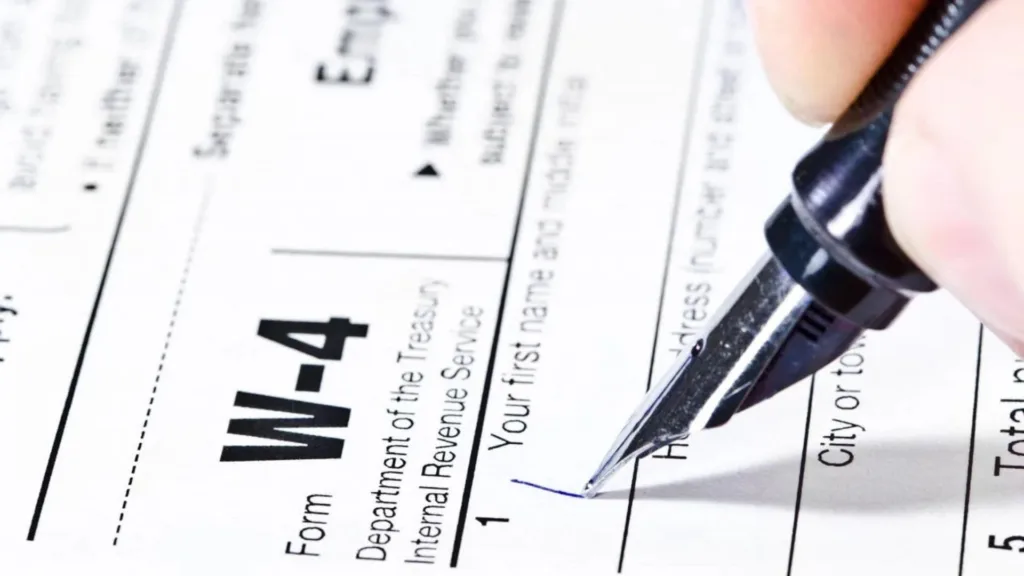
To be exempt from federal income tax withholding, an employee generally must have had no federal income tax liability in the prior year and expect to owe none in the current year. This status often applies to students, part-time workers, or those with very low income below the standard deduction limits. Form W-4 has a specific part where you can claim exempt status by certifying this expectation. It’s crucial that only those who truly qualify claim exempt to avoid penalties.
How To Claim Exempt Status On Form W-4
To claim exempt, employees fill out the IRS Form W-4 at the start of employment or when updating withholding information. On this form, the employee writes “Exempt” on the appropriate line under Step 4(c) if they meet the requirements for exemption from withholding. No federal tax will be withheld from their wages as long as the exempt status remains valid. The exemption must be renewed annually by submitting a new Form W-4 by February 15 if the employee wishes to maintain exempt status.
Important Considerations and Risks
Claiming exempt means no federal income tax is withheld, but workers are still responsible for their tax obligations. If someone claims exempt but actually owes taxes, they could face underpayment penalties and a surprise bill at tax time. It’s important to review your tax situation each year and revoke exempt status if your income or tax liability changes.
Other Tax Withholdings Are Separate
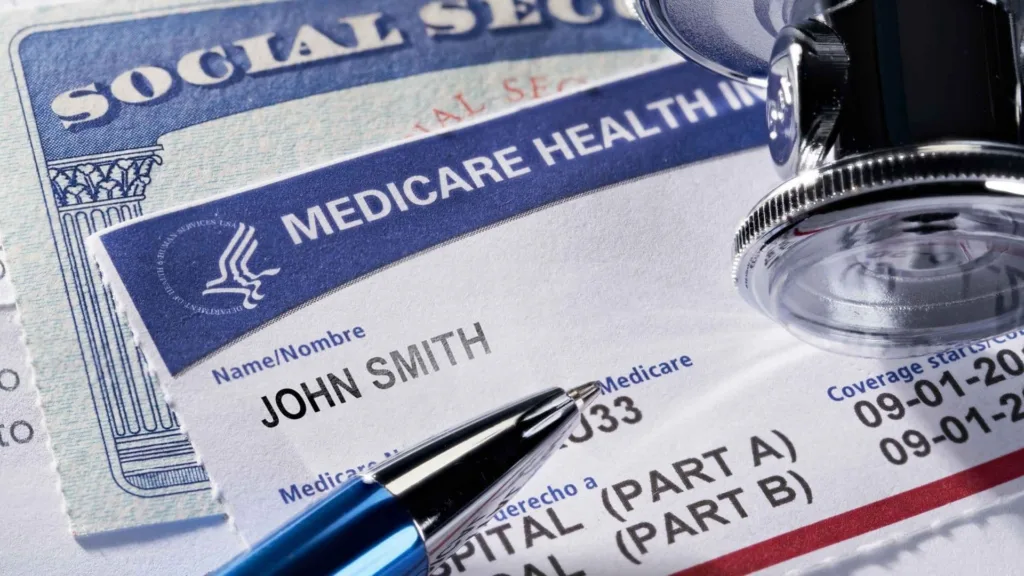
Being exempt from federal income tax withholding does not affect Social Security and Medicare taxes (FICA), which are withheld regardless. Also, state income tax withholding rules vary, and being exempt federally does not automatically exempt you at the state level.
Conclusion
Understanding who qualifies to be exempt from federal income tax withholding and how to claim this exemption protects employees from overpaying taxes through payroll withholding. This knowledge empowers taxpayers to manage their withholdings accurately and avoid unwanted tax surprises.
FAQs
Q: Who can claim exempt from federal income tax withholding?
A: Employees with no federal tax liability last year and who expect none this year can claim exempt on Form W-4.
Q: Does claiming exempt stop Social Security and Medicare tax withholding?
A: No, FICA taxes are withheld regardless of exempt status.
Q: How often must I renew my exempt status?
A: You need to submit a new Form W-4 claiming exempt every year by February 15.
Q: What happens if I claim exempt but owe taxes?
A: You may owe a tax bill plus penalties for underpayment when you file your return.
Q: Is federal exempt status the same for state taxes?
A: No, state rules differ; federal exempt status does not automatically exempt you from state withholding.


