How Do You Report Foreign Rental Income? A Detailed Guide
This article explains how to report foreign rental income on your U.S. tax return, addressing common concerns for property owners abroad. It covers key IRS forms, currency conversion, deductions, tax credits, and compliance tips, making the process understandable and manageable.

If you’ve been wondering “how do you report foreign rental income,” you’re not alone. Many U.S. taxpayers who own or earn income from rental properties outside the United States find this question challenging. Reporting foreign rental income involves understanding IRS rules that require U.S. citizens, residents, and green card holders to declare their worldwide income, including rent from overseas properties, on their tax returns. This means you must report your rental earnings, related expenses, and any depreciation on Schedule E (Form 1040), just like domestic rental income. However, because the income originates from a foreign currency, you’ll need to convert those figures into U.S. dollars using the IRS’s yearly average exchange rate. Additionally, if you pay taxes to a foreign government on this rental income, you might be eligible for a Foreign Tax Credit to avoid double taxation, helping reduce your U.S. tax liability. Other considerations include additional IRS forms such as FBAR and FATCA (Form 8938) if you hold foreign bank accounts or financial assets that have balances exceeding specified thresholds. Correct reporting keeps you compliant, helps avoid penalties, and maximizes your allowable deductions, including mortgage interest, property management fees, repairs, and property taxes. Knowing the ins and outs of this process gives you peace of mind and protects your investment in foreign rental properties.
Why Reporting Foreign Rental Income Matters
You are required by law to report all rental income from properties you own globally. The IRS taxes U.S. citizens on their worldwide income, so failure to report foreign rental income can lead to penalties, interest, or an audit. Being diligent in reporting your foreign rental income demonstrates compliance and can help you take advantage of deductions and credits that lower your overall tax bill.
Forms and Documentation Needed
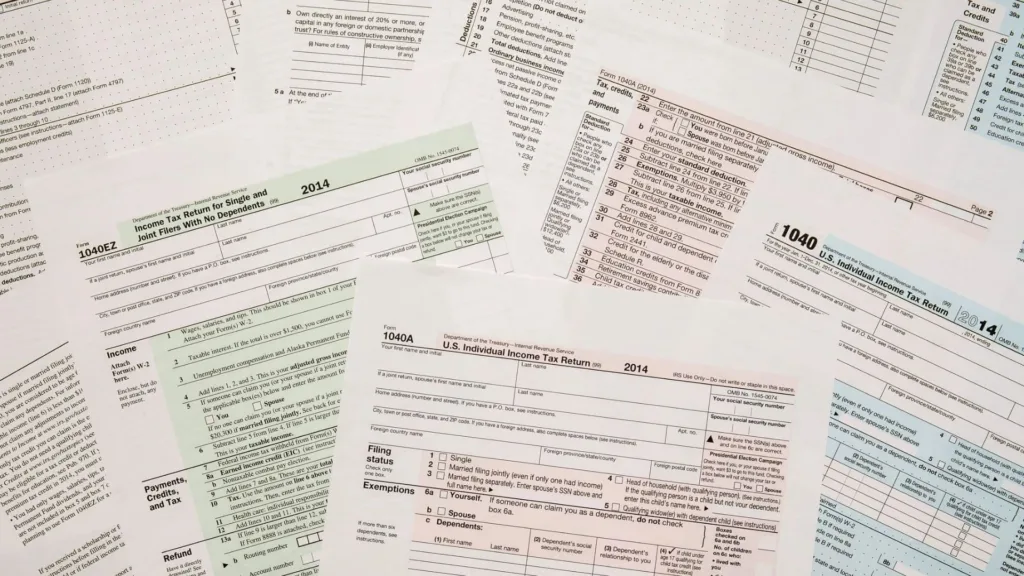
Foreign rental income is reported primarily on Schedule E (Supplemental Income and Loss) attached to your U.S. Form 1040 tax return. You’ll detail all rental income received and offset it with deductible expenses like maintenance, repairs, property taxes, insurance, and management fees. Additionally, Form 1116 may be necessary to claim a Foreign Tax Credit if you paid taxes on the rental income overseas. If you have foreign financial accounts connected to your rental property income, FinCEN Form 114 (FBAR) and IRS Form 8938 (FATCA) might also be required.
Handling Currency Conversion
Since foreign rental income and expenses are in a currency other than U.S. dollars, you must convert all amounts into USD for reporting. The IRS recommends using the annual average exchange rate for the tax year, although specific transactions may require different rates. Accurate conversion ensures correct reporting of income and deductions.
Depreciation of Foreign Rental Property
The IRS requires you to depreciate your foreign rental property over a 30-year period, which differs from the 27.5 years for domestic residential property. This depreciation deduction reduces your taxable income by accounting for the property’s wear and tear over time.
Deductions You Can Claim
You can deduct expenses related to your foreign rental property to reduce taxable income. Typical deductible expenses include mortgage interest, property taxes, insurance, repairs, maintenance, utilities, and professional management fees. Keeping detailed records of these expenses is important for claiming your deductions.

Potential Additional Filing Requirements
Depending on how your foreign rental property is owned, such as through partnerships, corporations, or trusts, additional forms like 5471, 8865, or 8858 may be necessary to report income and ownership structures.
Common Pitfalls to Avoid
Failing to report foreign rental income, not converting currencies correctly, neglecting to claim the Foreign Tax Credit, and missing Foreign Bank Account Reports can cause costly tax issues. Keeping organized records and working with knowledgeable tax professionals can help prevent mistakes.
FAQs
Q: Do I have to report rental income from a foreign property?
A: Yes, U.S. taxpayers must report rental income from foreign properties on their tax returns.
Q: Which IRS form do I use to report foreign rental income?
A: Use Schedule E (Form 1040) to report income and expenses.
Q: Can I claim a deduction for foreign property taxes?
A: Yes, property taxes paid on foreign rental properties are deductible expenses.
Q: How do I convert foreign rental income to U.S. dollars?
A: Use the IRS’s annual average exchange rate for the tax year when reporting.
Q: What if I paid taxes to a foreign government on the rental income?
A: You may be eligible to claim a Foreign Tax Credit using Form 1116.


