Paystub With Check Payout Example
Ever stared at your paycheck and thought, “Where did all my money go?” A paystub with check payout example can answer that question in plain sight. This article breaks it all down so you can finally read your stub like a pro.

Understanding a paystub with check payout example is the key to unlocking the mystery of your paycheck. When you look at your paystub, it’s not just a random sheet of numbers—it’s a detailed record of your earnings, deductions, and the final net pay you actually take home. By reviewing a sample paystub with check payout, you can see exactly how gross pay is calculated, how taxes and benefits are deducted, and how net pay ends up in your bank account or check. Learning how to read a paystub with check payout example empowers you to verify your earnings, catch errors, and plan your budget better. In this article, we’ll explore what makes up a paystub, why check payout examples are helpful, and how you can use this knowledge to manage your finances more effectively.
What Is A Paystub?
A paystub (also called a paycheck stub or earnings statement) is the slip of paper or digital file that comes with your paycheck. It shows how much money you earned, what was withheld, and how much you actually get to keep.
Key sections include:
- Gross Pay: Total earnings before deductions.
- Deductions: Taxes, benefits, retirement contributions.
- Net Pay: What you actually take home—your check payout.
Why Use A Paystub With Check Payout Example?
Looking at a paystub with check payout example makes everything easier to understand. Rather than staring at jargon, you see the math in action:
- How gross pay (like $2,500) gets reduced by deductions (like $500).
- How net pay ($2,000) is the actual check payout.
It’s a simple, relatable way to connect what you see on paper with what arrives in your account.
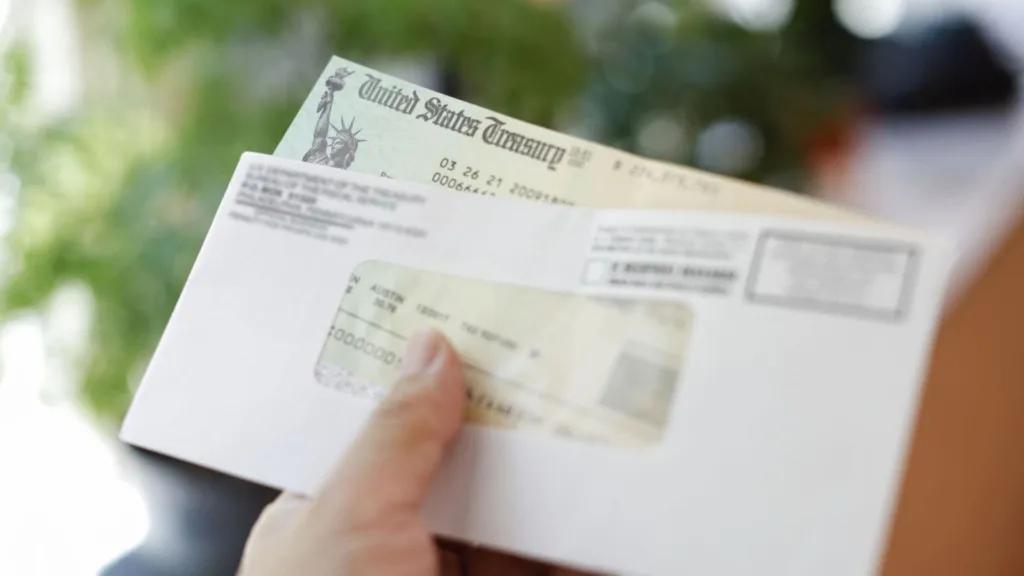
Sample Paystub With Check Payout Example
Here’s a simplified example for a two-week paycheck:
| Earnings & Deductions | Amount |
|---|---|
| Gross Pay | $2,000.00 |
| Federal Tax | -$200.00 |
| State Tax | -$80.00 |
| Social Security | -$124.00 |
| Medicare | -$29.00 |
| Health Insurance | -$150.00 |
| 401(k) Contribution | -$100.00 |
| Net Pay (Check Payout) | $1,317.00 |
Benefits Of Understanding Paystubs
- Catch Mistakes – Ensure you’re paid correctly.
- Budget Smarter – Know exactly what your take-home pay will be.
- Tax Prep – Makes filing taxes easier when you already understand your earnings.
- Employment Proof – Paystubs often serve as proof of income for loans or rentals.
FAQs
Q: Why is my net pay smaller than my gross pay?
A: Because taxes and deductions are subtracted before you get your check payout.
Q: Do I need to keep my paystubs?
A: Yes, they’re useful for tax records, budgeting, and proof of income.