Should I Send My Tax Return via Certified Mail?
Sending your tax return via certified mail is a simple, cost-effective way to protect yourself against lost documents, missed deadlines, and IRS disputes. It’s not required, but it’s highly recommended for anyone mailing paper tax returns—especially if you’re cutting it close to the deadline or want extra peace of mind.

When tax season rolls around and you’re staring down the deadline, the question “Should I send my tax return via certified mail?” might pop up—and for good reason. Mailing your tax return with certified mail can provide proof of mailing, tracking, and delivery confirmation, which are crucial if you want to make sure your important tax documents reach the IRS safely and on time. Certified mail offers a layer of security and documentation that regular mail simply can’t match, making it a popular choice for anyone who wants to avoid late filing penalties, have a record of their submission, and sleep a little easier knowing their tax return didn’t vanish into the postal abyss. In this article, we’ll break down the benefits, drawbacks, and best practices for sending your tax return via certified mail, so you can decide if it’s the right move for you this tax season
Why Choose Certified Mail for Your Tax Return?
Certified mail is a special postal service that gives you proof of mailing and delivery, complete with a tracking number and, if you choose, a return receipt with the recipient’s signature. When you send your tax return this way, you’ll get a receipt showing the exact date you mailed your documents—a lifesaver if you’re filing close to the deadline or ever need to prove you sent your return on time. The IRS recognizes certified mail as valid evidence of timely filing, even if your documents are delayed or lost in transit, thanks to the so-called “mailbox rule”. This means your return is considered filed on the date you mail it, not the date it’s delivered, as long as you use certified mail.
The Big Benefits
- Proof of Mailing: Certified mail gives you a stamped receipt showing when and where you mailed your tax return. This is your ace in the hole if the IRS ever questions whether you filed on time.
- Tracking and Transparency: You can track your tax return’s journey from your mailbox to the IRS, reducing the anxiety of not knowing where your documents are.
- Proof of Delivery: With the optional return receipt, you’ll get confirmation (and even a signature) when your tax return is delivered to the IRS.
- Legal Protection: If there’s ever a dispute about your filing date, certified mail provides prima facie evidence—meaning the IRS must accept your postmark as proof of timely filing.
- Peace of Mind: Knowing you have a paper trail and delivery confirmation can help you rest easy, especially if your tax return contains sensitive information or you’re worried about missing the deadline.
Are There Any Downsides?
Certified mail does cost a bit more than regular postage, and you might have to make a trip to the post office to get your receipt and tracking number. If you want a return receipt, that’s an extra fee. But for most people, the small added cost is worth the peace of mind and legal protection certified mail provides. If you’re e-filing, you won’t need certified mail, but for paper filers, it’s a smart move.
How to Send Your Tax Return via Certified Mail
- Prepare Your Tax Return: Double-check your forms and make sure you’re mailing them to the correct IRS address for your state.
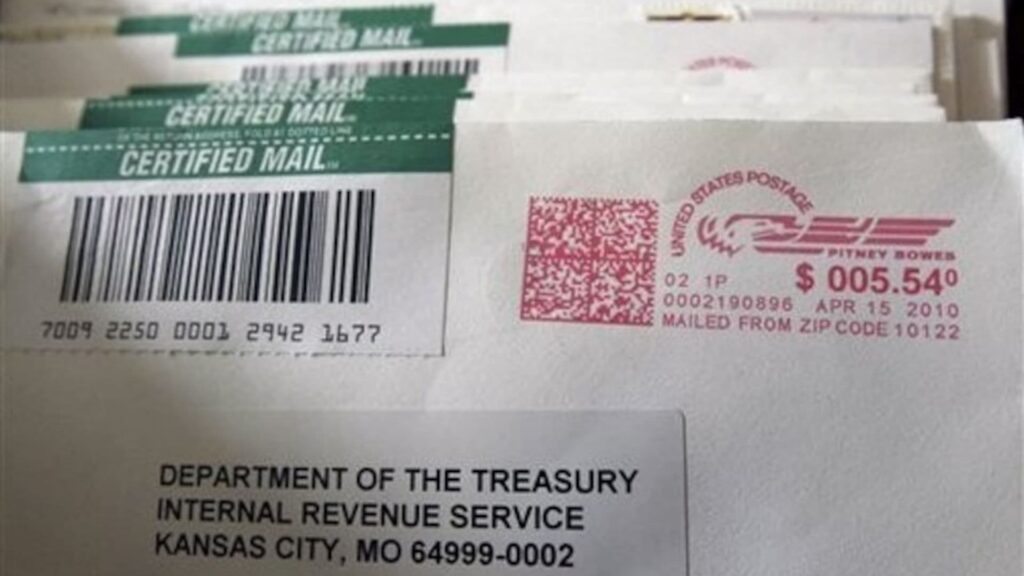
- Visit the Post Office: Ask for a Certified Mail Form 3800 and fill it out. Attach the green sticker to your envelope.
- Consider a Return Receipt: For extra confirmation, add a Domestic Return Receipt (Form 3811) to get a signature when your return is delivered.
- Keep Your Receipts: Hold onto your mailing and delivery receipts in a safe place—they’re your proof if anything goes wrong.
- Track Your Mail: Use the tracking number to follow your tax return’s journey online.
Alternatives to Certified Mail
If you’re looking for other ways to get proof of mailing, the USPS offers a Certificate of Mailing, but it doesn’t include tracking or delivery confirmation. Private delivery services like FedEx and UPS are also accepted by the IRS, but make sure they’re on the IRS’s list of approved services.
FAQs
Q: Is certified mail required for sending tax returns to the IRS?
A: No, but it’s recommended because it provides proof of mailing and delivery.
Q: What happens if my tax return gets lost in the mail?
A: If you used certified mail, your receipt serves as proof you mailed it on time, protecting you from late filing penalties.
Q: Can I use private delivery services instead of certified mail?
A: Yes, but only if the service is IRS-approved and you keep your receipt as proof of mailing.
Q: Does certified mail include tracking?
A: Yes, certified mail comes with tracking so you can monitor your tax return’s journey to the IRS.


